
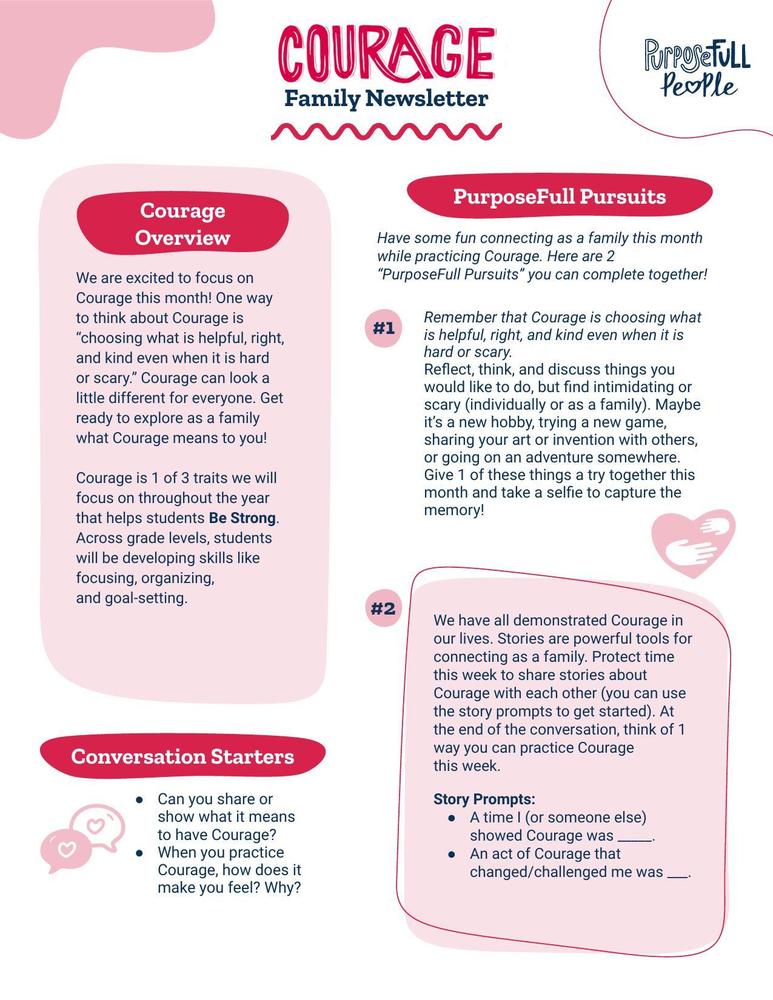
For elementary-age kids, courage isn't about grand, heroic feats. It's about making a choice to act even when they feel scared, worried, or unsure. It's a foundational skill that helps build confidence and resilience.
This type of courage can be seen in small, everyday actions, both in and out of the classroom.
Examples of Courage in Elementary Kids
Courage in young children often falls into a few key areas:
Social Courage: This is the courage to navigate social situations that feel intimidating.
Standing up for a friend who is being teased or bullied.
Inviting a new student to sit with them at lunch or play with them at recess.
Politely disagreeing with a friend or a group when they're doing something wrong or dangerous.
Asking to join a game or group that has already started.
Admitting they made a mistake to a friend or an adult.
Emotional Courage: This involves being brave enough to face and express difficult emotions or vulnerabilities.
Crying when they feel sad or hurt, even if they're a "big kid."
Asking for help when they're struggling with a problem.
Trying a new skill, like riding a bike without training wheels, even after falling down.
Saying "I'm sorry" and truly meaning it.
Academic Courage: This is the courage to take risks in their learning, where they might make a mistake or feel embarrassed.
Raising their hand to answer a question, even if they're not 100% sure of the answer.
Sharing an original idea or poem with the class.
Trying a challenging math problem on their own instead of asking for help immediately.
Performing in a school play or recital.